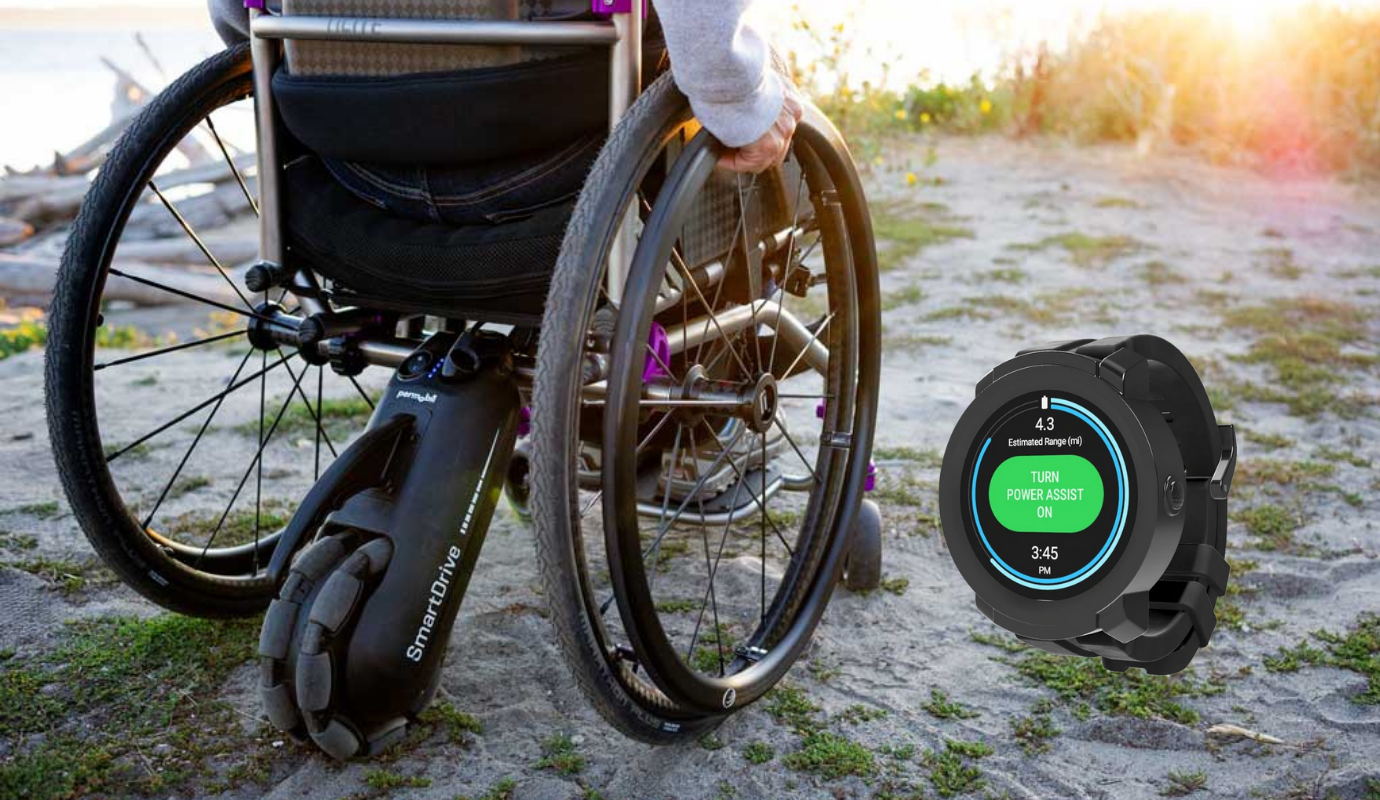

A pressure ulcer, or bedsore, is a skin injury caused by prolonged pressure or friction. While pressure ulcers are a significant risk for those with limited mobility, they can be prevented with frequent position changes, using pressure-redistributing surfaces, keeping skin clean, dry, and moisturised, ensuring good nutrition and hydration, and regularly inspecting skin for redness or irritation. Caretakers should also minimise skin dragging when moving and keep bedding smooth and wrinkle-free.
Pressure Ulcer Risk Areas
A pressure ulcer is an injury to skin or tissue that occurs when blood circulation is decreased because of pressure to a specific area. These injuries are usually observed on a bony prominence and are most commonly seen in bedbound patients.

The sacrum, heels, elbows, and shoulder blades are particularly prone to pressure ulcers. They are very painful for patients and could severely reduce their quality of life.
How to Prevent Pressure Ulcers
Pressure & Movement
Repositioning Schedules
Redistributing weight/pressure on a patient’s body by physically moving the patient, either out of the bed/seat entirely or just changing position, can help stop pressure ulcers from forming. You should change positions at least every 1–2 hours if in bed and every 15 minutes if in a chair or wheelchair.
Support Surfaces
There are various specialised surfaces designed for pressure ulcer prevention by offloading weight from vulnerable areas, such as:
- Electronic Mattresses: Consider electronic mattresses that use air-flow valves and other mechanics to change the shape of the bed.
- Mattress Overlays: Mattress overlays can be used for patients who are at a lower risk of developing pressure ulcers.
- Cushions and Pillows: Use specialised pressure-relieving air mattresses, pillows, or medical sheepskin to relieve pressure. Avoid "doughnut-shaped" cushions, which can restrict blood flow.
Safe Handling
Caregivers should keep the following techniques in mind to ensure safer handling and protect the patient's skin integrity:
- Proper Lifting: Avoid dragging to prevent friction and shear; use draw sheets or hoists to move the patient.
- Head of Bed: Keep the head of the bed low (under 30 degrees) when possible to prevent sliding and minimise the risk of skin shearing against the linens.
Skin Care
Maintaining healthy skin is a vital part of preventing pressure ulcers. Here are essential steps to note:
- Daily Inspection: Check all skin daily for redness, warmth, swelling, or pain — particularly on bony prominences like the sacrum, heels, elbows, and shoulder blades.
- Cleanliness: Gently wash soiled skin with mild soap and warm water, pat dry, and keep skin warm and dry.
- Moisturise: Apply a skin moisturiser to hydrate dry skin in order to reduce the risk of skin breakdown.
- Foam Dressings: Use prophylactic foam dressings to protect the skin, ease pressure, and prevent friction on bony protrusions or other body parts that are continually exposed to friction and shear.
- Skin Barrier Products: Protect the skin from excessive moisture exposure with a skin barrier product.
Nutrition & Lifestyle
Beyond physical care, there are other lifestyle-driven factors that can support skin health, such as:
- Balanced Diet: Focus on protein-rich foods (meat, eggs, dairy, beans) for tissue health.
- Nutritional Supplements: Use high-protein nutritional supplements or tube feeding for individuals at risk of developing pressure ulcers.
- Hydration: Ensure patients drink plenty of fluids (8–10 glasses daily) to maintain skin elasticity.
- Stay Active: Encourage patients to engage in gentle exercise or to try caregiver-assisted limb movement to help maintain healthy circulation.
Other Practical Tips
Here are a few additional details to help prevent pressure ulcers:
- Smooth Linens: Keep sheets and clothing smooth and wrinkle-free to avoid unnecessary friction.
- Seek Help: Don't hesitate to ask professional caregivers or the nursing home bed and wheelchair specialists at DNR Wheels for help with equipment use and moving techniques suited to your specific home environment and patient needs.
When to Call a Doctor
If prevention efforts are not enough and you notice changes in skin integrity, it is important to act quickly. Please seek professional medical attention if you identify these symptoms:
- Redness that does not go away after pressure is relieved
- Blisters or open sores.
- Signs of infection like pus, a foul odour, or fever.
Partnering with DNR Wheels for Better Care
While not all pressure ulcers can be stopped, the vast majority can be avoided with a comprehensive care plan. Having the right tools is essential to successful recovery and long-term comfort.
At DNR Wheels, we provide a wide range of solutions designed to enhance safety and comfort. Our products are developed in collaboration with therapists to ensure that every user receives proper care. Our specialists can even help you select the right wheelchair to ensure optimal posture and pressure distribution. Explore our range today and let us help you provide the best possible care for your loved ones.
References:
Prevention of pressure ulcers
Pressure Ulcer Prevention and Treatment
Causes and prevention of pressure sores
Bedsores (pressure ulcers)
Bedsores