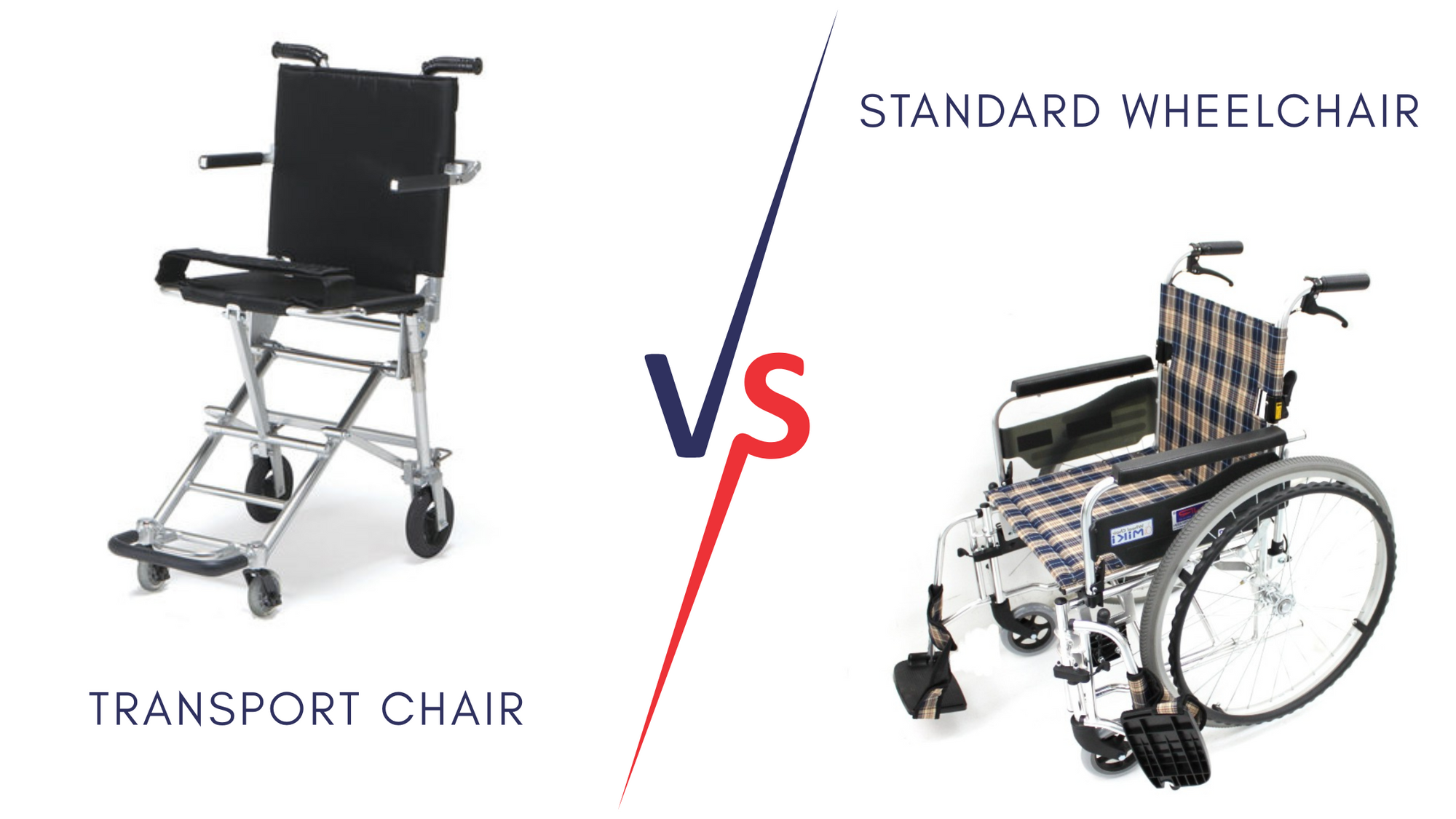

Choosing between a wheelchair vs crutches depends on the severity of your injury, degree of upper body strength, weight-bearing ability, sense of balance, and environment, along with your mobility needs.
Crutches are better for short-term use if you can tolerate some weight-bearing while walking and have the upper-body strength to support your movement. However, they require significant balance and can cause hand or wrist discomfort. Conversely, a wheelchair is better suited for non-weight-bearing injuries, long-term use, and individuals with limited upper-body strength, though it's bulkier and limits exercise for the uninjured leg.
Choosing the right mobility aid can be a bit overwhelming, especially when you're suddenly faced with limited mobility. If you're wondering whether you should use a wheelchair or crutches, the answer isn't always one-size-fits-all.
This guide outlines the advantages and disadvantages of wheelchairs and crutches to help you decide which mobility aid is best for your recovery. However, because every injury is unique, it's best to consult your doctor or physiotherapist to ensure you receive a recommendation tailored to your needs.
When to Choose Crutches
Crutches are often the first choice for temporary injuries where staying mobile and active is encouraged. They are a versatile mobility aid for individuals who can support their own weight.
Crutches may be ideal if you need:
- Partial Weight-Bearing: This is the best option if your doctor has cleared you to put at least some weight on your injured leg.
- To Navigate Stairs: Crutches are far superior for climbing stairs or walking on uneven terrain that a wheelchair simply cannot access.
- To Build Strength: Using crutches actively engages your arms, chest, and shoulders, helping you maintain muscle tone during your recovery.
- Portability: They are lightweight, easy to store in a car, and take up minimal space in tight HDB corridors or on public transport.
When to Choose a Wheelchair
A wheelchair provides a more stable, less physically taxing option for specific recovery needs. It's often the preferred choice when safety and energy conservation are the priorities.
In the debate of crutches vs wheelchairs, a chair might be your best bet for:
- Non-Weight-Bearing: This is essential if you must keep all weight off the injured limb to ensure proper healing. Wheelchairs are also better for elevating the leg to reduce swelling.
- Balance and Strength Support: A wheelchair is the safest option for individuals with poor balance or weak upper-body strength, who may be at risk of falling while using crutches.
- Practicality and Storage: It's much easier to carry items such as drinks, bags, or groceries with a lap tray or back pouch when using a wheelchair.
- Endurance for Long Distances: A wheelchair is ideal for hospital appointments or shopping centre visits, where walking long distances would cause excessive fatigue.

Key Considerations for Both Options
Crutches: Physical Impact and Safety
While useful, crutches have notable disadvantages when used as the sole mobility aid during recovery. Firstly, prolonged use can cause significant pain in the hands, wrists, and shoulders due to the repetitive pressure of supporting your full body weight through your upper limbs. Furthermore, they require a high level of coordination; a simple slip on a wet surface or on a loose rug can lead to a secondary injury.
Wheelchairs: Space and Muscle Tone
When weighing the advantages and disadvantages of wheelchairs, it's important to note that relying solely on a chair can lead to "disuse" weakness in the uninjured leg and core. Additionally, they can be difficult to manoeuvre in tight spaces, such as small toilets or older buildings and homes without lifts or ramp access. If you require frequent movement around your home or community, these physical barriers can be a major hindrance to your daily routine and independence.
Seeking Professional Recommendations
To avoid secondary injuries or poor posture, it's vital to get fitted for your specific needs by a physiotherapist or doctor. These healthcare professionals can help you choose a wheelchair with the right dimensions and support features to avoid an improper fit, which can lead to discmfot, skin breakdown, and in serious cases, pressure sores. They can also provide expert guidance on fitting walking aids, such as crutches, to ensure your height and weight are properly distributed and minimise nerve damage in the armpits (often called "crutch palsy").
Embark on Safe Recovery with DNR Wheels
Recovery is different for everyone, and having the right mobility aid is the first step toward reclaiming your independence. Whether you need the agility of crutches or the stability of a wheelchair, selecting high-quality gear could make all the difference.
As a leading mobility equipment supplier in Singapore, DNR Wheels offers a wide range of mobility aids developed in collaboration with therapists. Browse our collections online or visit our showroom to speak with our specialists.